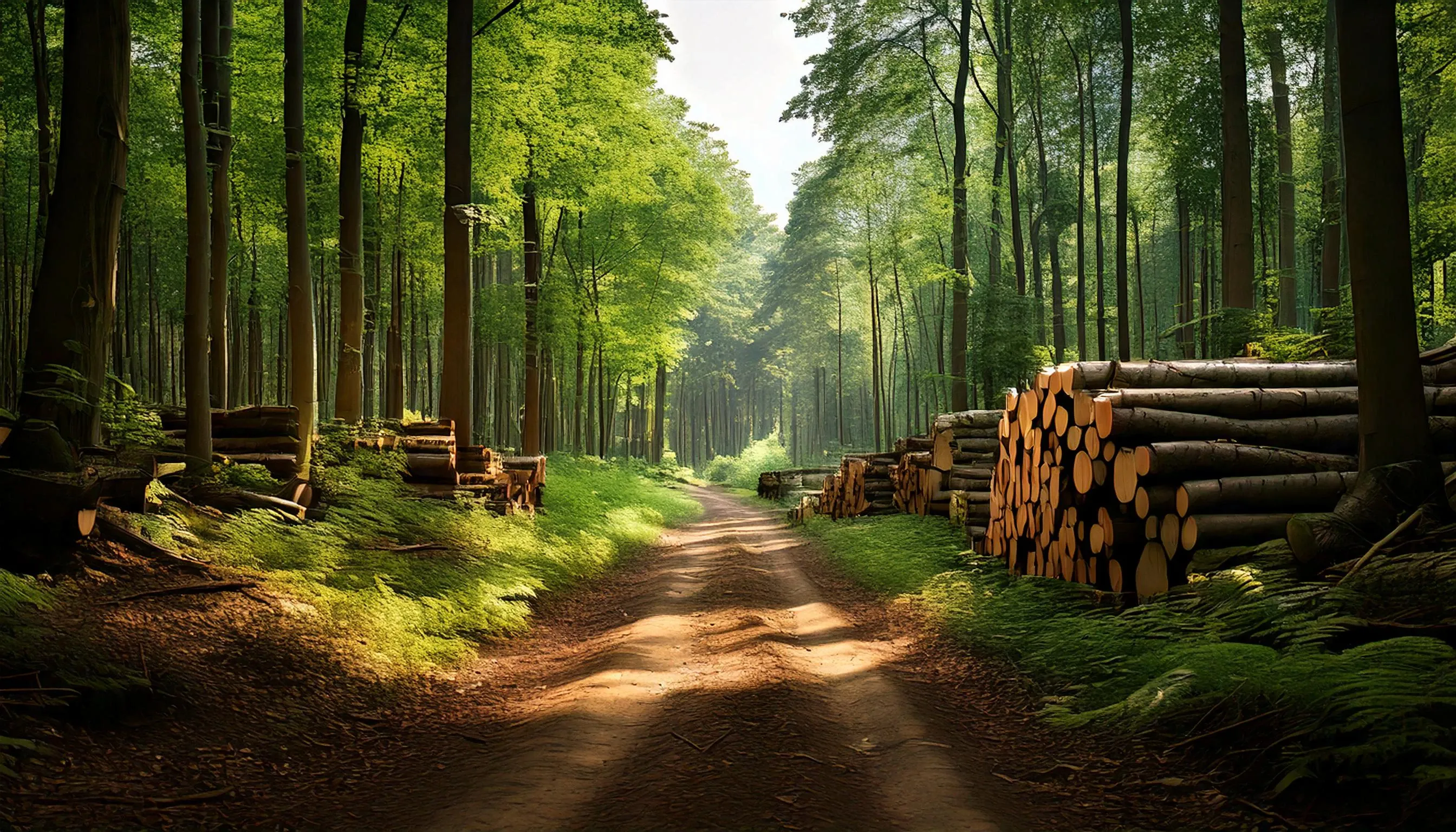
The Forest
Simulation Platform
Quantify forest ecosystem outputs on a daily basis and capture the long-term effects and risks of planned forestry measures — in real time, interactive, data-driven.
This project is a spinoff initiative of the UFZ.
Learn more
What is Tree-D?
We are developing a cloud platform that uses novel simulation techniques to provide you with detailed estimates of your forest's ecosystem services and reliable forecasts — interactive, data-driven, and in real time.
Quantify outputs
Calculate key ecosystem services such as photosynthesis, wood production, CO₂ sequestration, water balance, and biodiversity — simple, transparent, and up to date.
Predict dynamics
Simulate your forest's development under different climate conditions and management measures; identify risks and opportunities early.
Compare actions
Evaluate the effects of planned forestry measures, compare forest management strategies, and optimize your decisions.
Integrate seamlessly
Integrate Tree-D easily into your existing forest management software. Transfer data and simulate planned measures directly. Incorporate data from sensors and LIDAR campaigns.
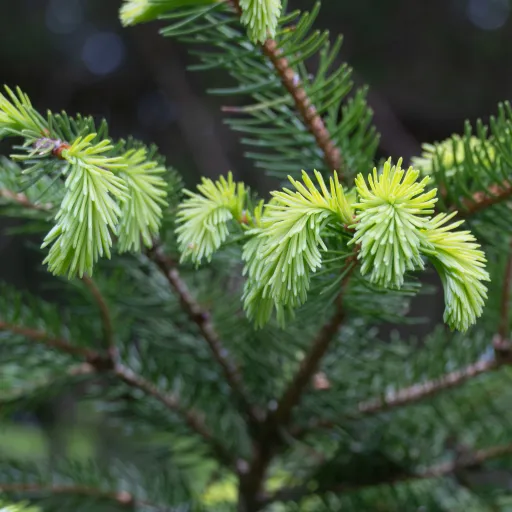
Quantify performance
Tree-D contains a complete digital representation of your forest and its processes. Using innovative simulation technologies and live integration of weather and soil data, the platform calculates forest ecosystem outputs with high spatial and temporal resolution. This includes ecosystem services such as photosynthesis, wood growth, CO₂ sequestration, water balance, and biodiversity.
The results are presented intuitively and provide a basis for evaluating different management approaches as well as data for issuing carbon credits.
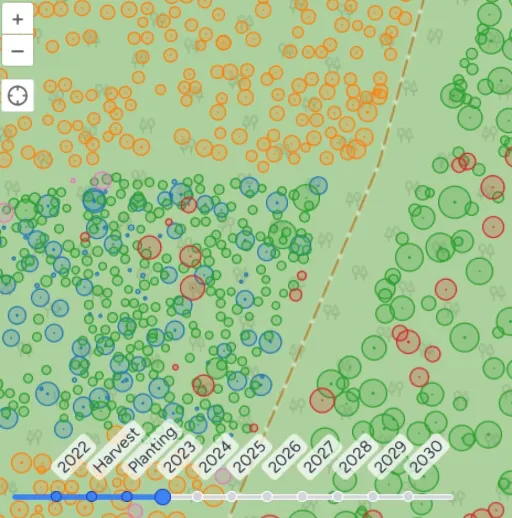
Predict dynamics
Tree-D allows you to accurately simulate the development of your forest under different climate scenarios. Whether under increased temperatures, drought, or pest infestation – you gain a solid outlook on the future performance of your stand and can respond to challenges early.
The range of possible developments is presented transparently and serves as the basis for deriving practical risk indicators. This way you create a reliable foundation for strategic decisions – from planning individual measures to long-term investment planning.
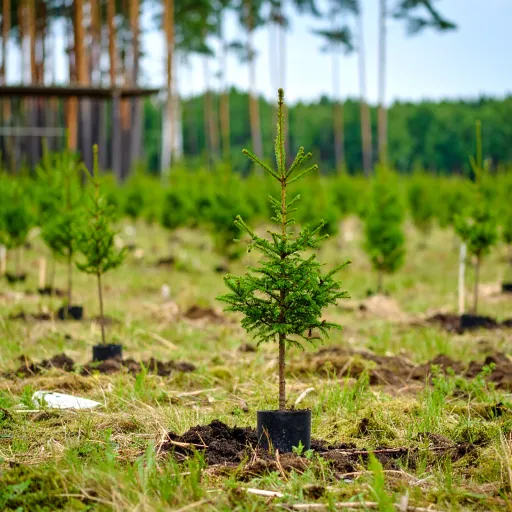
Compare measures
Whether tree species selection, thinning, or harvesting: the integrated simulation model of Tree-D allows you to simulate the benefits and risks of forestry measures, assess their impacts, and objectively compare strategies. Tree-D supports you in identifying the optimal strategy to achieve your management goals.
Both conventional and alternative management practices can be modeled. This creates data-driven foundations for communication with external partners and the public.
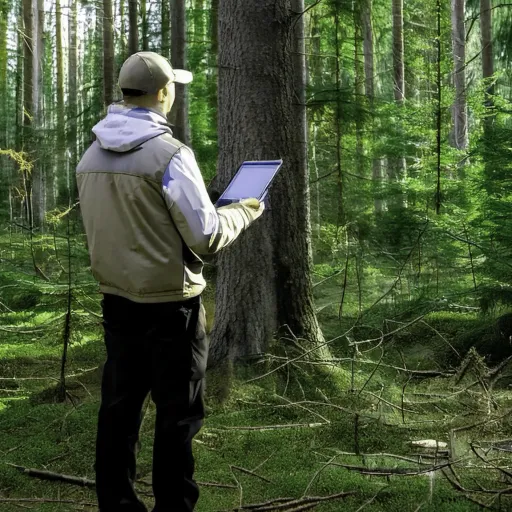
Integrate seamlessly
The Tree-D dashboard can be easily integrated into existing forest management software and directly represents planned silvicultural measures in simulations. In addition, data from sensors and LIDAR campaigns can be integrated to evaluate the condition of your forest at high resolution, down to the individual tree level.
Technology
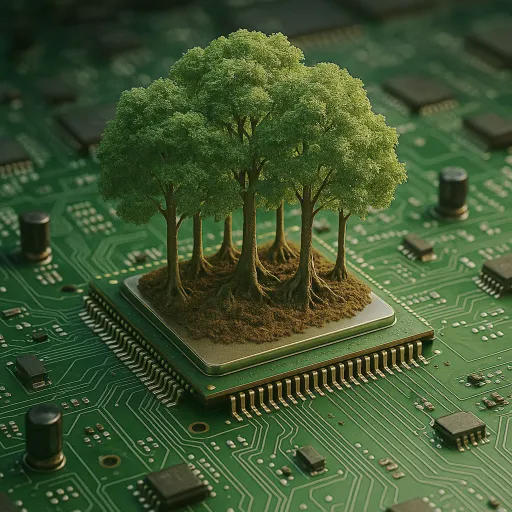
Tree-D relies on fundamentally new technologies for realistic simulation of forest ecosystems – specifically developed for the complex requirements of modern forestry.
Classical and purely AI-driven forest models simulate growth processes in a highly simplified way or project past observations into the future. This is often inaccurate or unreliable because the climate is changing.
Tree-D pursues a novel hybrid approach: it learns plant physiological processes directly from real forest data – and can thus make reliable predictions even under changing environmental conditions. At the same time, Tree-D continuously improves itself: the more data becomes available, the more precise and meaningful the simulations become.
About us
Tree-D is a spinoff initiative of the Helmholtz Centre for Environmental Research – UFZ in Leipzig, with the goal of making over 30 years of experience in forest modeling usable for forestry practice.
We have extensive expertise in environmental and socio-economic modeling and have driven numerous research projects on forest ecosystem modeling. After years of dedicated scientific work, we now want to unlock the practical potential of our research.
We are currently developing a prototype for the Tree-D platform.
We are funded by the transfun program of the Helmholtz Centre for Environmental
Research – UFZ.
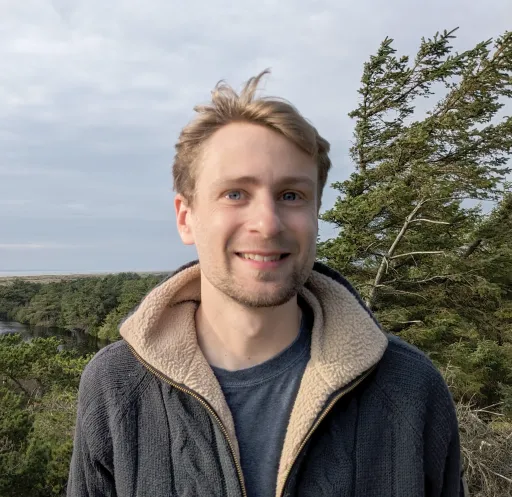
Dr. Samuel Fischer
is a mathematician specializing in ecological modeling, software design, and computational statistics. Before starting Tree-D, his research focused on the efficient integration of data into complex ecological models. As a member of the core team behind the forest model FORMIND, he developed new approaches to parameterizing forest models and linking them with remote sensing data.
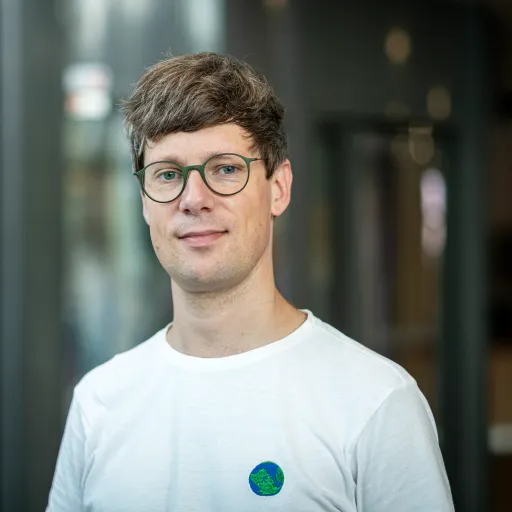
Dr. Gunnar Dreßler
is a systems scientist focused on agent-based modeling and biomathematics. His research addresses the dynamics of complex social-ecological systems, particularly the analysis of tipping points and the effects of policy instruments on land-use strategies. A key focus is the adequate representation of human decisions and management strategies in computational models.